Do Autistic Kids Show Affection? Understanding Love and Connection
In short: Yes, autistic kids show affection, but often in ways that differ from neurotypical expectations. They may express love through acts of service, shared interests, or physical proximity rather than typical hugs or kisses. Recognizing and celebrating these unique expressions strengthens relationships and supports their emotional development.
Key takeaways
- Autistic children do feel and express love, but their affection may look different from neurotypical displays.
- Common autistic love languages include sharing interests, physical proximity, acts of service, and routine-based gestures.
- Sensory sensitivities can influence how a child prefers to give and receive affection.
- ABA therapy can help children build social communication skills while respecting their unique ways of connecting.
The Short Answer: Yes, Autistic Children Show Affection
One of the most persistent myths about autism is that autistic children lack the ability to love or show affection. This simply is not true. Autistic children feel love deeply, but they often express it in ways that may not match typical expectations. A hug, a kiss, or a verbal "I love you" are not the only signs of affection. For many autistic kids, love shows up as sharing a special interest, sitting quietly beside a trusted person, or bringing a favorite toy to a parent. Understanding these unique expressions helps families build stronger, more authentic connections.
🔗 Related reading: Tricare ABA Therapy for a 2-Year-Old: What to Know · Local ABA Therapy
How Autistic Kids Express Love Differently
Shared Interests as Bonding
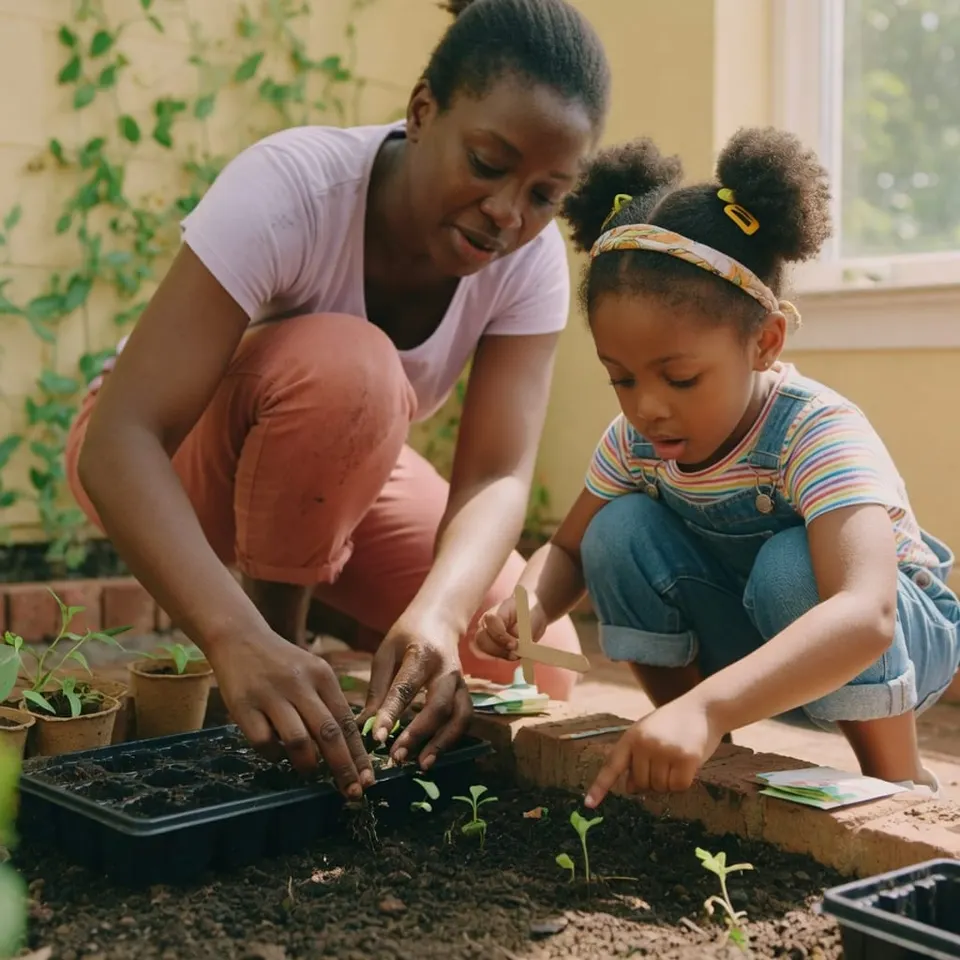
Many autistic children have intense, focused interests. When a child invites you into their world by showing you a favorite train, talking about dinosaurs for an hour, or lining up blocks in a specific way, that is a form of affection. They are sharing something deeply meaningful to them. Responding with genuine interest validates their love language.
Physical Proximity Over Physical Touch
While some autistic children enjoy hugs, others prefer to be near you without direct contact. Sitting in the same room, leaning against you while watching a show, or following you from room to room are all signs of trust and attachment. This quiet presence is a powerful expression of connection.
Acts of Service and Routine Gestures
An autistic child might show love by doing something helpful, like setting the table without being asked, or by sticking to a routine that includes you. For example, always saving a seat for a parent or handing them a specific object at the same time each day are affectionate rituals.
Nonverbal Cues
Eye contact may be uncomfortable, but a child might show affection through a quick glance, a smile, or by turning their body toward you. Some children use echolalia (repeating phrases from movies or conversations) as a way to connect. A child who repeats "I love you" from a favorite show may be using those words to express genuine feeling, even if they do not fully understand the social script.
Why Some Autistic Children Seem Less Affectionate
Sensory Processing Differences
For many autistic children, physical touch can feel overwhelming, painful, or confusing. A hug that feels warm and comforting to a neurotypical child might feel like a scratchy blanket or a tight squeeze to an autistic child. This does not mean they do not want to connect; it means they need connection in a way that respects their sensory system.
Social Communication Challenges
Autistic children often struggle with the unwritten rules of social interaction. They may not know that a hug is expected when a parent returns from work, or that saying "I love you" is a typical response. This is a difference in communication style, not a lack of feeling.
Alexithymia and Emotional Awareness
Some autistic individuals experience alexithymia, a condition that makes it hard to identify and describe emotions. A child may feel love but not have the words or awareness to label it. Their behavior still reflects that love, even if they cannot articulate it.
🔗 Related reading: SC Regional Centers & Family Support Programs Guide · Nearby ABA Therapy
The Role of Sensory Processing in Affection
Sensory processing differences are central to how an autistic child experiences and expresses affection. A child who is hypersensitive to touch may recoil from hugs but enjoy a gentle back rub or a firm squeeze from a weighted blanket. A child who is hyposensitive may seek out intense physical contact, like crashing into a parent or wrapping themselves tightly in a blanket. Understanding your child's sensory profile helps you offer affection in ways that feel safe and pleasurable. Occupational therapy and ABA therapy can help children develop strategies to engage in social touch when they choose to.
Supporting Your Autistic Child's Emotional Connections
Observe and Learn Their Love Language
Pay attention to when your child seeks you out. Is it during a favorite activity? When they are calm? When they are excited? These moments are clues to how they express affection. Keep a journal or simply notice patterns over several weeks.
Respect Their Boundaries
Never force physical affection. Insisting on hugs or kisses can create anxiety and damage trust. Instead, offer choices: "Would you like a high-five, a fist bump, or just to sit next to me?" This empowers the child to connect on their own terms.
Use Visual and Social Stories
Social stories can help autistic children understand different ways to show affection. Create a simple book with pictures showing a child giving a high-five, sharing a toy, or saying "I like being with you." Practice these in low-pressure settings.
Celebrate Small Gestures
When your child shows affection in their unique way, acknowledge it warmly. A simple "I love when you sit with me" or "Thank you for showing me your drawing" reinforces the behavior without pressure.
When to Seek Professional Support
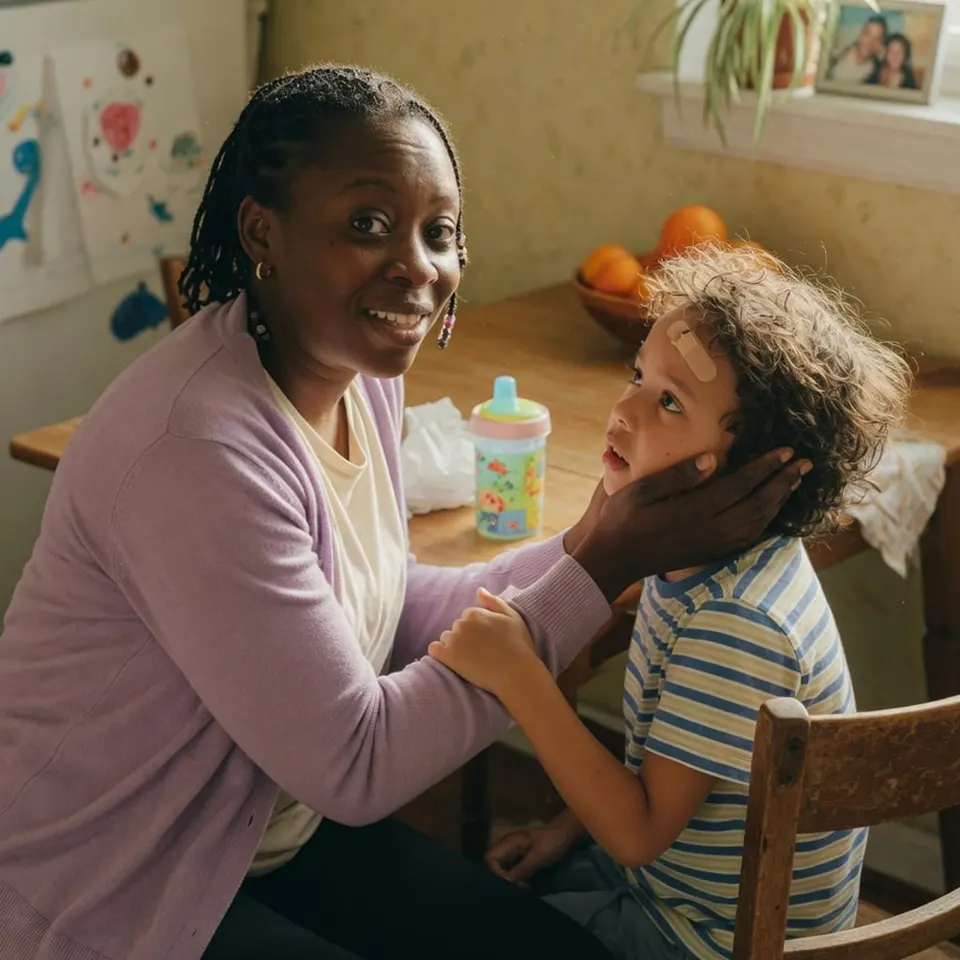
If you are concerned about your child's social-emotional development, or if you want to help them build skills for connecting with others, professional support can be valuable. ABA therapy, led by a Board Certified Behavior Analyst (BCBA), focuses on teaching communication, social skills, and emotional regulation in a positive, individualized way. A BCBA can work with your family to identify your child's strengths and create goals that honor their unique way of showing affection while expanding their social toolkit. Many insurance plans, including Medicaid, cover ABA therapy. If you are unsure where to start, a free service like ABA Clinics Near Me can match you with vetted, BCBA-led providers in your area who understand neurodiversity and family-centered care.
How ABA Therapy Can Help with Social Communication
ABA therapy is not about forcing a child to act neurotypical. Modern, compassionate ABA focuses on building meaningful skills that improve quality of life. For affection and connection, a BCBA might help a child learn to initiate a greeting, ask for a hug when they want one, or recognize when a family member is happy. The goal is to increase the child's ability to express themselves in ways that feel authentic and are understood by others. Providers who use natural environment teaching and play-based methods often see the most progress. When looking for a provider, ask about their approach to social-emotional goals and how they involve the family. A free matching service can help you find providers who align with your values.
Practical Tips for Parents and Caregivers
- Don't compare. Every child, autistic or not, shows love differently. Avoid measuring your child against siblings or peers.
- Create a sensory-friendly affection menu. List ways your child likes to connect: a specific hand squeeze, a shared snack, a quiet moment together. Refer to it often.
- Model affection without expectation. Say "I love you" and offer gentle touch, but do not require a response. Your child learns that affection is safe and optional.
- Use their interests. If your child loves trains, sit with them and watch trains. That shared time is a powerful bond.
- Be patient. Trust takes time. A child who avoids touch today may seek it out tomorrow. Consistency and acceptance build a secure attachment.
- Seek community. Connect with other parents of autistic children. They can offer insights and validation that your child's unique affection is real and beautiful.
Remember: your autistic child loves you. They may not say it the way you expect, but their love is there in every shared moment, every trusted glance, and every time they choose to be near you. By learning their language, you build a relationship that honors who they truly are.